
Views: 0 Author: Site Editor Publish Time: 2026-10-26 Origin: Site


Your construction crew is fully assembled. Cranes are positioned. Deadlines are tight. Suddenly, the steel beams arriving on-site exhibit microscopic edge cracks and inconsistent yield strengths. Choosing the wrong supplier does not just risk your project timeline. It introduces severe structural vulnerabilities and catastrophic budget overruns.
Sourcing reliable materials requires looking far beyond a simple price sheet. Procurement managers must evaluate a facility like a veteran engineer. In this guide, you will learn how to rigorously assess a mill's operational standards, quality control protocols, and testing capabilities before signing any contract.
Advanced Quality Control: Top-tier facilities utilize AI vision and automated sensors to catch surface defects early in the hot strip rolling process.
Rigorous Testing: Dependable manufacturers provide comprehensive material testing. This ensures accurate identification of mechanical properties like yield and tensile strength.
Mill Scale Management: Understanding how a supplier handles mill scale removal is crucial for optimal surface finishing and coating adhesion.
Product Versatility: The best mills offer a diverse portfolio. Sourcing everything from structural plates to roofing profiles streamlines your supply chain.
Supplier Expertise: A trustworthy partner acts as a technical consultant. They help buyers navigate the complex structural nuances of different metal processing methods.
To accurately assess a manufacturing partner, you must first grasp the baseline operational standards of a modern facility. Evaluating a mill begins right at the source. You need to analyze its core hot rolling process and the physical infrastructure that supports it.
Hot rolling is a fundamental metallurgical process. It involves heating steel billets or slabs above their recrystallization temperature. This critical thermal threshold typically exceeds 1,700°F or roughly 926°C. At this elevated state, the steel becomes highly malleable. It can be shaped and formed rapidly without altering its fundamental microstructural integrity.
Once heated, the incandescent metal passes through a series of massive heavy-duty rollers. These mechanical giants apply immense pressure. They compress the steel into desired thicknesses and shapes, including flat sheets, structural beams, or coiled strips. A reliable facility maintains strict temperature controls throughout this entire sequence. Even minor thermal fluctuations can lead to wildly inconsistent mechanical properties in the final product.
When conducting a site audit or technical review, the caliber of a mill's physical infrastructure serves as a direct indicator of its production capabilities. Outdated machinery frequently results in dimensional inaccuracies and elevated defect rates.
Modern facilities must feature advanced continuous casting machines. These guarantee a seamless uninterrupted transition from molten liquid to solid slabs. Pay close attention to their reheating furnaces. State-of-the-art walking beam furnaces provide uniform heating. This uniformity is absolutely essential for consistent metallurgical properties. Finally, precise cooling systems like laminar cooling on the runout table are non-negotiable. The cooling rate directly dictates the final grain structure of the metal. This profoundly impacts both strength and ductility. A manufacturer that continually reinvests in modern infrastructure demonstrates a tangible commitment to long-term consistency.
Quality control is often the ultimate deciding factor for procurement teams. Receiving flawed materials triggers a massive domino effect of project delays. You must understand exactly how a facility prevents defective products from leaving its shipping dock.
During the intense heat and immense mechanical stress of the rolling process, various surface defects spontaneously occur. Common anomalies include scratches, scabs, seams, and edge cracks. These are not merely cosmetic blemishes. In structural applications, they serve as dangerous stress concentration points. They can easily compromise the integrity of the material under heavy load.
Catching these flaws directly on the production line is vital. If defective metal progresses to subsequent manufacturing stages or ships to the end-user, the cost of rectification multiplies exponentially. High-quality suppliers implement rigorous inline inspection protocols. They identify and quarantine non-compliant strips long before the metal is coiled or cut to length.
Historical defect detection relied heavily on manual visual inspections. Human eyes are highly susceptible to fatigue and error. This is especially true given the extreme speeds at which modern hot strip lines operate, often exceeding 3,000 feet per minute.
Leading manufacturers now integrate AI-driven vision cameras and advanced sensor technologies along the production line. These high-speed optical systems capture continuous images of the moving strip. Machine learning algorithms analyze this data in real-time. They detect microscopic anomalies that a human inspector would undoubtedly miss. Partnering with a digitally mature mill ensures a significantly lower risk of receiving compromised materials.
Recent market data highlights a massive shift in how global procurement teams evaluate manufacturing facilities. The focus has rapidly moved from pure tonnage capacity to digital traceability and sustainable production.
Modern buyers now demand deep visibility into a mill's operational carbon footprint and energy efficiency. Facilities adopting electric arc furnaces and scrap-based production methods are scoring much higher in vendor assessments. Digital twin technology is also becoming a standard requirement. Mills that can provide a digital replica of their production cycle offer unparalleled transparency. They allow buyers to verify thermal histories and mechanical testing data for every single coil produced. When you assess a mill today, their commitment to environmental compliance and digital data integration is just as critical as their pricing structure.
Surface finish is a critical parameter for contractors and fabricators. Imagine a welder attempting to fuse a joint, only to find the arc sputtering and popping due to excessive unmanaged surface oxidation. How a mill manages this inevitable thermal byproduct is a clear differentiator of customer service.
Mill scale is the flaky dark-blue or black oxidized surface that naturally forms on the metal. As the red-hot steel travels along the runout table and cools in the ambient air, the iron reacts violently with oxygen. This forms complex iron oxides including wüstite, magnetite, and hematite.
Mill scale is a natural chemical byproduct rather than a manufacturing defect. However, if left unmanaged, this porous oxide layer traps moisture and accelerates localized corrosion. More importantly, it prevents paint, epoxies, and other protective coatings from adhering properly to the bare substrate.
When vetting a supplier, evaluate surface finish tolerances and the clarity of their technical guidance. Top-tier mills frequently offer secondary descaling services. The most common method is Pickled and Oiled processing. The metal passes through a hydrochloric acid bath to chemically strip the scale, followed by an oil application to prevent flash rusting.
If a facility does not offer in-house chemical descaling, they must act as an educational resource. They should provide clear standard-compliant guidance on how contractors can effectively remove the scale via abrasive blasting or mechanical grinding prior to fabrication.
Invisible structural properties dictate a project's safety. A reputable manufacturer proves their quality through rigorous documented empirical data. Evaluating a mill's testing capabilities is essential for mitigating engineering risks.
Review the supplier's in-house laboratory capabilities carefully. The facility must be fully equipped to perform routine testing on every single batch.
Mechanical testing ensures the metal can withstand the physical demands of its intended application. The lab must pull samples to test for yield strength, tensile strength, and elongation. For instance, standard Q235B structural steel must consistently demonstrate a minimum yield strength of 235 MPa. Equally important is chemical analysis. Using optical emission spectrometers, the lab verifies the precise chemical composition of the melt. They ensure accurate levels of carbon, manganese, silicon, and trace alloying elements. This delicate chemical balance dictates weldability and overall durability.
Quality assurance must always be backed by recognized third-party industry standards. Verify that the supplier holds relevant operational certifications like ISO 9001. Their products must strictly comply with international material standards such as ASTM A36 for structural applications.
Professional buyers must demand certified Mill Test Reports for every shipment. An authentic report provides a traceable heat number, the exact chemical makeup, and the physical test results of that specific batch. A supplier's transparency in providing these documents indicates strong operational integrity.
Your immediate requirement might be standard flat plates. However, assessing a broader product portfolio is a highly strategic move for long-term procurement. A manufacturer equipped with a versatile product line drastically simplifies your supply chain and lowers overarching logistical costs.
Top-tier facilities possess the capacity and technology to offer secondary processed materials. Evaluating this capability ensures you are aligning with a technologically mature partner capable of scaling alongside your future project demands.
A mill that can seamlessly transition from pouring basic structural slabs to supplying premium galvanized steel coils demonstrates advanced metallurgical control. The galvanization process requires stringent temperature regulation and chemical bath management to ensure a uniform zinc coating, typically ranging from Z40 to Z275 grams per square meter depending on your anti-corrosion needs.
A comprehensive supplier might also offer precision stainless steel sheet materials. These are vital for applications demanding strict hygiene standards or chemical resistance, often supplied in 304 or 316L grades with precise 2B or BA surface finishes. A broad portfolio clearly indicates robust financial health and advanced manufacturing flexibility.
Manufacturing maturity is highly evident in a facility's ability to produce materials tailored for specialized end-uses. Churning out standard raw coils is one thing. Creating precision-engineered profiles requires strict adherence to tight tolerances.
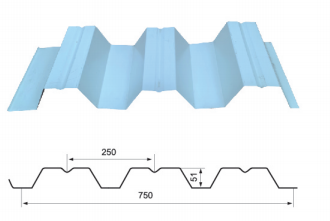
Assess whether a supplier can deliver base materials formulated for complex galvanized steel roofing profiles. Products like the YX-113-300-600 profile demand high load-bearing capacity and flawless prepainted finishes to withstand harsh industrial environments. Mills catering to these specialized applications maintain much higher baseline quality standards across all their product lines.
A purely transactional supplier simply fulfills a purchase order and moves on. A strategic manufacturing partner acts as an extension of your own engineering team. The metallurgical nuances between different processing methods dramatically impact both structural integrity and financial viability.
Procurement teams frequently face dilemmas when choosing processing methods. While the fundamental chemical composition might be identical, the thermal processing dictates the mechanical properties, surface finish, and dimensional tolerances. A knowledgeable mill actively helps you navigate this complex decision.
Technical sales engineers should proactively review your project blueprints and load-bearing requirements. They help determine if industrial hot rolled steel is the optimal choice. Supplied in thicknesses typically ranging from 1.2mm to 16mm, these products are highly cost-effective. They are ideal for structural components, construction framing, and heavy machinery where micro-millimeter precision is not the primary concern. If your project involves complex forming or requires a flawless surface for immediate high-gloss painting, the mill should expertly guide you toward alternatives.
A trustworthy supplier prioritizes your project's overall success over upselling their most expensive inventory. Observe how the sales team handles your inquiries during the assessment phase. They should provide an honest assessment of your precision requirements versus your budget constraints.
Evaluation Parameter | Standard Hot Rolled | Cold Rolled / Processed | What to Ask the Supplier |
|---|---|---|---|
Thermal Processing | Above 1,700°F Recrystallization | Room Temperature Compression | Can you provide heat treatment records and thermal history? |
Surface Condition | Mill Scale present, rough texture | Smooth, oiled, highly polished | Do you offer in-house Pickled and Oiled descaling services? |
Dimensional Tolerance | Standard structural tolerances | Micro-millimeter precision | What are your guaranteed thickness and width tolerances? |
Commercial Value | Highly economical for heavy loads | Premium pricing for aesthetics | Can we substitute with standard grades to save project costs? |
The highest quality metal in the world holds zero value if it sits on a loading dock while your construction site remains idle. Supply chain disruptions cause cascading delays. This leads to severe labor standbys and breached contract penalties. Assessing logistical infrastructure is just as critical as evaluating metallurgical data.
When evaluating a facility for multi-year contracts, conduct a deep dive into equipment redundancy. Asking for theoretical maximum annual tonnage is not enough. You must understand their current capacity utilization rates. If a mill already operates at 95 percent capacity, a sudden spike in your volume requirements will inevitably lead to delayed shipments. Inquire about their backup systems. If a primary furnace goes down for emergency maintenance, you need to know if production grinds to an absolute halt.
Transparency in logistics is the ultimate proof of a reliable partner. High-tier suppliers operate with a proactive communication model. They provide realistic data-backed lead times rather than overly optimistic estimates designed merely to win a bid.
Evaluate their shipping and handling protocols. Steel is heavy, cumbersome, and highly susceptible to environmental damage during transit. Ask for detailed documentation on how they package materials to prevent moisture ingress, white rust, or physical deformation during rail or maritime transport. Robust packaging solutions prove the supplier respects the integrity of their product.
Assessing a modern steel mill requires a careful multifaceted technical review. You must verify their defect detection technology, ensuring they leverage digital advancements to catch flaws early. Strict laboratory testing and proactive mill scale management are absolutely essential for structural safety and fabrication ease. A great partner offers excellent product versatility, allowing you to consolidate your supply chain under one roof.
Choosing the right facility is about building a strategic consultative partnership rather than executing a simple material transaction. When you are ready to secure high-quality materials for your next major project, rely on proven engineering standards. Visit Hongye Steel Structure to explore a comprehensive range of premium structural materials tailored to your exact specifications, and partner with a fully vetted manufacturer today to ensure your project's success from the ground up.
The most critical factor is the mill's verifiable commitment to quality control and data transparency. You should look for the implementation of advanced AI vision defect detection systems on the rolling line to catch surface flaws in real-time. A reputable facility must routinely provide certified Mill Test Reports from accredited laboratories, proving that mechanical properties strictly adhere to required industry standards.
Modern facilities have moved far beyond manual visual inspections. Today, top-tier manufacturers utilize high-speed automated AI vision cameras and real-time sensor monitoring systems strategically placed along the production line. These sophisticated optical systems scan the metal continuously as it moves at high speeds. They use machine learning algorithms to instantly identify and classify surface anomalies like scratches, scabs, and edge cracks before the material is coiled.
Yes, industry-leading manufacturers typically operate highly diversified facilities or maintain integrated supply chain partnerships. A mature industrial mill features a comprehensive product portfolio. In addition to basic structural plates, they can supply secondary processed materials such as galvanized coils for enhanced corrosion resistance, stainless sheets for hygienic applications, and precision-formed materials for specialized roofing.
The scaly finish, known as mill scale, is absolutely not a defect or a sign of poor quality. It is a natural chemical reaction that occurs when the metal is processed at extreme temperatures and subsequently exposed to oxygen as it cools. This oxidation forms a flaky dark layer on the surface. High-quality suppliers actively educate buyers on this phenomenon and often provide descaling services to remove the scale for projects requiring immediate welding or painting.
A Mill Test Report is generated by the manufacturer's own in-house laboratory. It certifies the chemical composition and mechanical properties of a specific heat batch. Third-party inspections are conducted by independent agencies like SGS or Bureau Veritas to verify the manufacturer's claims. While a trustworthy mill provides accurate testing data, requiring third-party verification adds an extra layer of objective security for critical infrastructure projects.
Dimensional tolerances refer to the acceptable margin of error in the thickness, width, and length of the metal. Because the metal shrinks as it cools from extreme temperatures, achieving micro-millimeter precision is difficult. Standard structural tolerances are highly economical. If your project demands exceptionally tight tolerances, the mill must utilize additional cold processing or precision leveling equipment, which significantly increases the final material cost.

