
Views: 0 Author: Site Editor Publish Time: 2026-10-29 Origin: Site


Living near the ocean offers stunning views and a serene lifestyle. Yet, builders and property owners face a brutal engineering reality. Harsh marine weather shreds standard roofing materials at an alarming rate. Airborne salt spray, relentless humidity, and intense ultraviolet rays cause traditional metal panels to rust, blister, and fail prematurely. In this technical guide, we break down why specialized marine-grade materials are the only reliable choice for long-term structural defense.
Salt Air is the Primary Threat: Standard materials degrade rapidly near the ocean. Specialized alloys and marine-grade coatings are absolute structural necessities for coastal properties.
The Optimal Base Metal: Advanced alloy combinations provide superior natural corrosion resistance compared to standard galvanized steel. They form a self-healing oxide layer when exposed to the elements.
The Premium Coating: Polyvinylidene Fluoride serves as the industry benchmark for coastal roof coatings. It offers scientifically proven UV resistance and salt spray protection.
The Engineered Combination: Fusing a resilient base metal with a premium topcoat yields a highly durable roofing system. This minimizes maintenance and maximizes lifespan in extreme marine environments.
Recent market data highlights a massive shift in how we approach coastal construction. Driven by more frequent extreme weather events, building codes along the coastline are tightening. We are seeing a sharp decline in the use of standard galvanized materials within five miles of the surf. Instead, the industry is standardizing around high-performance alloy systems. Property developers now prioritize lifecycle cost analysis over initial material price. The consensus is clear. Investing in advanced fluorocarbon coatings and robust base metals is no longer a luxury but a structural baseline for marine environments.
Selecting building materials for a coastal property requires a deep understanding of specific environmental stressors. Coastal climates present an aggressive combination of chemical and physical threats. These stressors actively accelerate architectural degradation.
Airborne salt acts as a silent destroyer. Microscopic sodium chloride particles travel miles inland on the breeze. When these particles settle on a roof, they trap ambient humidity. This creates a highly conductive electrolyte solution. For standard steel, this unseen moisture accelerates electrochemical oxidation. We call it rust, but structurally, it means pitting and eventual failure. Without a specialized barrier, salt air rapidly compromises the entire building envelope.
Coastal zones suffer from extreme UV exposure. The sun's rays reflect off the ocean, doubling the impact. Ultraviolet radiation actively breaks down the molecular bonds in cheap paint polymers. This photodegradation leads to chalking, leaving a powdery white residue on the surface. A charcoal gray roof can fade to a washed-out silver in just a few seasons if the coating lacks UV stability.
Beyond chemical attacks, marine roofs face massive physical stress. Coastal storms generate extreme wind uplift. Wind moving rapidly over a roof creates negative pressure. It literally attempts to vacuum the panels off the deck. Traditional asphalt shingles blow off easily. Consequently, coastal properties demand lightweight, rigid materials anchored securely to withstand hurricane-force winds.
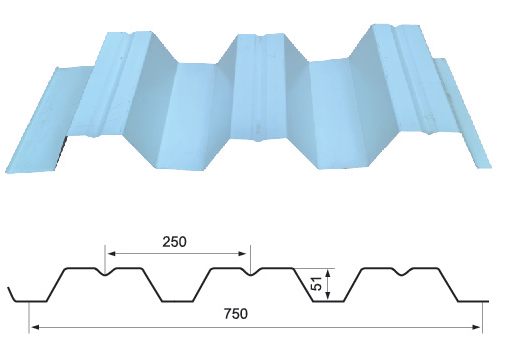
To survive a marine environment, the core of your roofing system must fight corrosion naturally. This is where specialized metallurgy comes into play. Specifying a dedicated aluminum magnesium manganese alloy offers a massive advantage over standard carbon steel.
Pure aluminum is too soft for structural roofing. Metallurgists solve this by adding precise amounts of magnesium and manganese. The aluminum provides a rust-proof foundation. Magnesium boosts tensile strength and impact resistance. Manganese improves formability. This allows the metal to be roll-formed into complex architectural profiles, such as the YX-51-250-750 standing seam panels, without micro-cracking at the bends.
The biggest engineering advantage of this base is passivation. When exposed to oxygen, the alloy instantly forms a tightly bonded layer of aluminum oxide. Iron oxide flakes away and spreads. In contrast, aluminum oxide is completely impermeable. If flying debris scratches the surface during a storm, the exposed metal reacts with the air to seal itself. This self-healing mechanism stops minor damage from becoming a systemic failure.
The addition of manganese ensures the alloy maintains structural flexibility. This is essential for manufacturing standing seam metal roofs. Coastal environments often see rapid temperature fluctuations. This alloy accommodates thermal expansion and contraction efficiently. It prevents the metal panels from warping or tearing away from their anchoring clips during extreme temperature shifts.
The base metal handles structural integrity. The outer coating dictates the aesthetic lifespan and acts as the first line of defense. Applying a premium resin system to an aluminum alloy steel sheet elevates it to true marine-grade status.
Polyvinylidene Fluoride is a highly inert fluoropolymer resin. Coatings with at least 70 percent PVDF resin are the benchmark for extreme environments. The carbon-fluorine bond is incredibly strong. It resists chemical breakdown from salt spray and airborne pollutants. PVDF also provides unmatched UV resistance. For buildings within five miles of the ocean, this is the only logical choice.
Silicone Modified Polyester improves surface hardness against wind-blown sand. However, it degrades faster under coastal UV rays. In a high-UV environment, this coating will chalk and fade significantly faster than premium alternatives. It is generally more suitable for inland properties or agricultural buildings.
High Durability Polyester bridges the gap between standard polyester and premium fluorocarbons. It offers decent weatherability for inland projects. Yet, it still falls short of the chemical inertness required to withstand decades of direct oceanic salt spray.
Standard Polyester is the cheapest option available. Its molecular structure breaks down rapidly under continuous UV and chloride exposure. Using this coating on a coastal roof guarantees chalking, fading, and peeling within a few short years. Avoid it entirely for marine applications.
Feature | PVDF Fluorocarbon | Silicone Modified Polyester | High Durability Polyester | Standard Polyester |
|---|---|---|---|---|
Salt Water Resistance | Excellent | Moderate | Good | Poor |
UV & Fade Resistance | Excellent | Moderate | Good | Poor |
Chalking Resistance | Excellent | Moderate | Moderate | Poor |
Coastal Suitability | Highly Recommended | Not Recommended | Inland Only | Avoid |
A premium color coated steel sheet is a highly engineered defense system. It is much more than just painted metal. Understanding its layers reveals why it performs so well in harsh climates.
High-quality architectural sheets feature multiple distinct layers. The alloy core provides structural strength. A chemical conversion coating is applied to the bare metal to enhance adhesion. Next, an anti-corrosive primer is baked on. Finally, the topcoat seals the system, reflecting UV rays and blocking moisture.
The primary visual benefit of this multi-layer system is long-term aesthetic stability. By utilizing a premium topcoat over a stable primer, the risk of peeling and blistering is eliminated. The strong chemical bonds prevent the pigment from breaking down. Consequently, the property maintains its curb appeal without requiring expensive repainting.
High-performance coatings often feature cool roof pigments. These specialized pigments reflect infrared radiation rather than absorbing it. The roof surface stays significantly cooler during summer. This reduces heat transfer into the attic, lowering air conditioning demands and cutting overall energy costs.
When evaluating roofing investments, we must look at failure points. The differences in longevity and durability become starkly apparent in marine environments.
Galvanized steel relies on a thin zinc layer over a carbon steel core. It works well inland. On the coast, salt abrasion wears the zinc down. Once the carbon steel is exposed, it oxidizes rapidly. Aluminum alloys lack a carbon core, making red rust a physical impossibility.
Galvalume uses an aluminum-zinc coating over steel. It performs admirably in many climates. However, heavy marine environments expose its main weakness. Where the metal is cut or sharply folded during installation, the steel core is exposed to microscopic salt particles. This initiates edge creep corrosion. A pure alloy base eliminates this risk completely.
Asphalt shingles remain common due to low upfront costs. They are fundamentally unsuited for extreme coastal weather. High winds easily lift and tear shingles from the roof deck. Furthermore, the porous nature of asphalt traps moisture, promoting the rapid growth of unsightly black algae. Metal roofs bypass this grueling replacement cycle entirely.
Choosing the right material is just the baseline. You must specify the exact physical parameters to ensure long-term performance.
Your proximity to the breaking surf dictates the specifications required. Properties situated directly on the oceanfront experience direct salt spray and maximum wind exposure. A specialized alloy base combined with a premium fluorocarbon coating is mandatory here. For inland properties, airborne salinity persists, making superior alloys a safer long-term bet.
Metal thickness determines wind uplift resistance. Because aluminum is lighter than steel, it requires a slightly thicker gauge for equivalent rigidity. For coastal residential and commercial applications, specify a thickness between 0.8mm and 1.2mm. Profiles like the YX-38-310 provide excellent spanning capabilities and dent resistance against flying debris.
A premium roof fails instantly if you use the wrong screws. Mixing dissimilar metals in a saltwater environment triggers galvanic corrosion. The less noble metal disintegrates. Never use standard galvanized screws with aluminum panels. Installers must use 300-series stainless steel fasteners to secure the system properly.
Even the best materials require upkeep. A structured maintenance routine protects your investment against continuous airborne chlorides and abrasive sand.
Hygroscopic salt particles accumulate in areas sheltered from direct rain. Perform a low-pressure freshwater wash twice a year. Use a standard garden hose to dissolve and remove crystallized salt deposits before they degrade the coating. Avoid high-pressure washers, which can damage panel seams.
Clear debris like palm fronds and sand from valleys and gutters. Blocked drainage causes corrosive saltwater to pool. Inspect the flashing around vents to ensure sealants remain watertight. If you spot a scratch from storm debris, clean the area and apply an air-drying touch-up paint supplied by the manufacturer.
With the correct specifications, these systems operate effectively for over 50 years. The base metal self-heals, and the premium coating resists degradation. It is a permanent solution compared to sacrificial zinc coatings that rapidly deplete in salt air.
Absolutely. The carbon-fluorine bond is virtually immune to sodium chloride. Cheaper paints break down quickly under coastal sun and salt. Investing in high-grade coatings eliminates the massive expense of premature repainting or roof replacement.
Yes. Standing seam profiles attached with concealed sliding clips allow the metal to expand and contract. This mechanical locking system easily withstands Category 4 and 5 wind uplift pressures without buckling or tearing.
Lighter colors like bright white, light gray, and sand have a high Solar Reflectance Index. They bounce solar energy back into the atmosphere. This thermal reflection drastically reduces HVAC workloads during peak summer months.
Engineers use the Salt Spray Test to measure corrosion resistance. A standard polyester coating might fail after 500 hours. Premium fluorocarbon coatings on aluminum alloys routinely pass 3,000 to 4,000 hours of continuous salt spray testing without blistering. Always verify the test data before specifying a product.
While metal can reflect radio frequency signals, a metal roof alone rarely causes noticeable reception issues in modern homes. Signals easily penetrate windows and non-metal walls. If you already have weak reception in your area, installing a standard cellular booster will resolve any minor signal degradation.
Building on the coast requires materials engineered for the harshest conditions. Standard steel and basic paints simply fail. Investing in an advanced aluminum magnesium manganese core paired with a highly inert topcoat guarantees decades of rust-free, energy-efficient performance. Stop wasting money on short-term fixes. Upgrade your building envelope with marine-grade materials that actually last.
For architectural-grade roofing profiles, high-performance coatings, and custom metal solutions tailored to extreme environments, explore the extensive product line at Hongye Steel Structure. Ensure your next coastal project stands the test of time.

